
What Online Game Fog of War Teaches About Opposition Research
Fog of war is one of the oldest ideas in strategy gaming. The map starts dark, you can only see what your units have scouted, and everything beyond that edge is a guess. Veterans do not treat the darkness as empty.
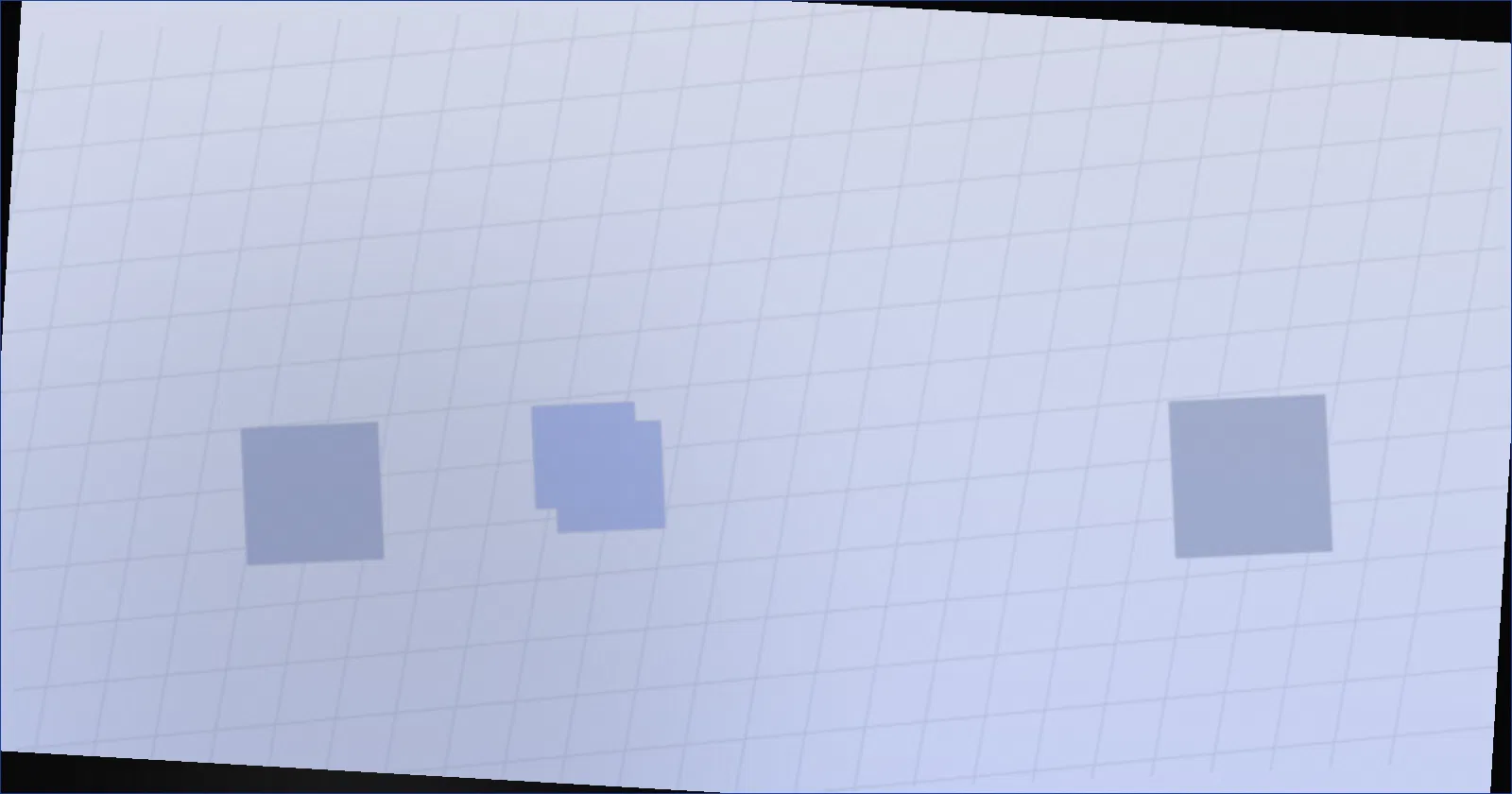
Fog of war is one of the oldest ideas in strategy gaming. The map starts dark, you can only see what your units have scouted, and everything beyond that edge is a guess. Veterans do not treat the darkness as empty. They treat it as information they have not gathered yet, and they spend real resources lifting it before they commit to anything big. That mindset is almost exactly how a disciplined campaign approaches opposition research. The space around your position is full of things that could reshape the race, and pretending it is empty is how you walk into an ambush. Reading fog of war as a model for knowing your rival, and knowing yourself, turns a game mechanic into a surprisingly practical lesson.
Darkness is unknown information, not empty space
The classic beginner error is to assume the unseen part of the map holds nothing, so the player builds and expands as if the enemy does not exist. Then an army arrives from the fog and the game is effectively over. Strong players never make that assumption. They treat every dark tile as a question, not a blank, and they plan for the possibility that something is moving out there. Campaigns that skip opposition research make the same mistake, assuming the quiet means safety when it usually means they simply have not looked. The first discipline is mental: the absence of information is not the absence of threat, and the fog is hiding something until you prove otherwise.
Scout before you commit
No competent player sends their whole force into unscouted territory. They push out a cheap unit first, reveal what is ahead, and only then decide where to attack. The scouting costs a little, but it saves them from marching into a loss. Opposition research plays the same role for a campaign. Before you launch a message, pick a fight, or stake out a position, you want to know what the ground actually holds, including what your opponent has said, done, and promised before. Committing first and learning later is how campaigns end up blindsided by a record they could have read in advance. The cheap scout now is always cheaper than the costly surprise later.
Scout your own position too
Fog of war is not only about the enemy. Good players keep tabs on their own exposed flanks, because an opening they have not noticed is as dangerous as an army they have not seen. The strongest campaign research tradition includes the same inward look, studying your own candidate's record as hard as the opponent's. Knowing the weak point in your own line lets you prepare for the attack that will inevitably target it, rather than being caught flat when it lands. Teams that only research the other side are scouting half the map. The surprise that ends a race often comes not from what the opponent did, but from what you failed to see in your own position.
Stale intel is almost as bad as none
A scouted area goes dark again if you stop watching it, and players who rely on an old sighting get burned when the situation has changed since. The map you remember is not always the map that exists. Opposition research has the same shelf life. A record from one point in time can be overtaken by new statements, new votes, or new circumstances, and a team working from an outdated file is planning around a reality that has moved. Keeping intel fresh means revisiting the dark corners on a schedule, not scouting once and assuming the picture holds. In both the game and the race, old certainty is a quiet liability.
What you can see shapes what you dare to do
Vision changes behavior. A player who has scouted widely moves with confidence because they can see the consequences coming, while a player staring at a dark map either freezes or gambles blind. Information is what makes bold moves responsible instead of reckless. Campaigns operate the same way. A team that knows the terrain can take a sharp, aggressive position because it has checked what lies around it, while a team working in the dark either plays it safe to a fault or lunges and gets caught. The point of lifting the fog is not caution for its own sake. It is the freedom to act decisively because you actually know what you are acting into.
Denying the enemy vision is part of the game
Advanced play is not only about seeing more, it is about controlling what the opponent sees, cutting their scouts and keeping your own moves hidden until the right moment. Campaigns live in this layer constantly, managing what they reveal, when they reveal it, and how much the other side can read of their plans. This is where the mechanic turns into a genuine ethics question rather than a tactic, because the line between protecting your own information and misleading the public is real and it matters. The game teaches the dynamic cleanly, but it is worth remembering that a campaign answers to voters, not just to a win condition, so the fog you create carries a responsibility the game never asks about.
Treat every race as a partly dark map
The habit worth taking from fog of war is simple to state and hard to practice: assume you are always missing something, and spend resources to find out what. Scout the opponent, scout yourself, keep the intel current, and let what you learn make your moves sharper rather than more fearful. A campaign that behaves as if the map is fully lit is a campaign waiting to be surprised, and surprises in a race are rarely pleasant. The ones that treat the darkness as a standing assignment, to be worked at rather than wished away, tend to be the ones still standing when the fog finally clears on election night.
Frequently asked questions
Is opposition research just digging up dirt? No. At its best it is systematic fact-finding on records, statements, and your own vulnerabilities, so the campaign is never surprised. The scouting mindset is about removing blind spots, not manufacturing attacks out of nothing.
Why research your own candidate? Because the most damaging surprises often target your own record, and the only way to prepare is to find the weak point before the opponent does. Scouting your own flank is half of good intelligence work, not an afterthought.
How often should research be refreshed? On a regular schedule, because records and circumstances change and old intel can be as misleading as none. A file scouted once and left alone slowly drifts away from the reality it was meant to describe.
Spend to light the map
Fog of war rewards the player who treats darkness as a question and pays to answer it, and it punishes the one who assumes the quiet means safety. Campaigns face the same map. Scout the opponent, scout yourself, keep it current, and let the knowledge make your moves bolder, not timid. The fog never fully lifts, but the team that keeps working at it is the one that stops getting ambushed.
More in Games
 Games
How Online Draw Games Moved Onto the Modern Web
Few corners of popular culture have been reshaped by the web as quietly as the number draw.
 Games
What Online Game Economy Nerfs Teach About Managing a Campaign Budget
Every live online game eventually ships a patch its players hate.
 Games
How Online Game Approval Meters Mirror a Campaign Poll
Boot up almost any government simulation and a single bar dominates the screen: approval.